


Rome, often called the “Eternal City,” remains one of the most historically significant urban centers in the world.
Continuous development across more than two thousand years has produced a city filled with traces of ancient Roman civilization, medieval society, and Renaissance creativity.
Historical transformation turned Rome into a place where imperial authority, Christian tradition, and artistic achievement coexist.
Ancient remains display the political power and technical knowledge of the Roman Empire, while later artistic and architectural achievements reveal the influence of Renaissance culture and papal patronage.
Cultural heritage in Rome can be best examined through three central aspects. Ancient ruins reveal the achievements of imperial society and urban planning.
Renaissance art demonstrates renewed interest in classical traditions and humanist ideas.
Archaeological Legacy of Ancient Rome
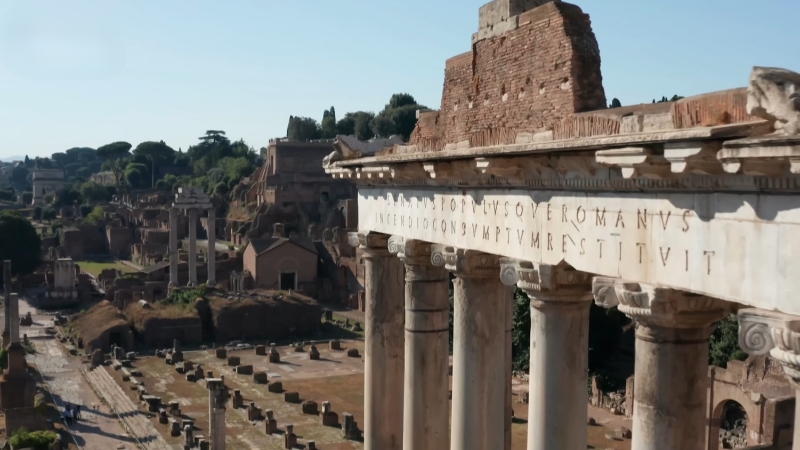
Ancient remains spread across Rome present visible evidence of imperial history and urban life that developed across centuries.
Structures constructed during the Roman Republic and the Roman Empire continue to occupy large portions of the city.
Preserved ruins demonstrate Roman engineering, civic organization, religious practice, and entertainment culture.
Rome as an Open-Air Museum
Large concentrations of archaeological remains give Rome a character comparable to an open-air museum. Ruins appear throughout streets, public squares, and residential districts.
Remains of temples, civic buildings, theaters, and bath complexes reveal how Roman society organized political and communal life.
Urban planning played a central role in Roman administration.
Engineers and architects designed infrastructure that supported a large population and allowed effective governance. Evidence of that planning can still be observed in preserved foundations and architectural remains.
Several categories of ancient structures appear frequently across archaeological sites in the city:
Major Sites of Imperial Rome
Many monumental structures constructed during the Roman Empire remain visible in Rome today.
Colosseum
Construction of the Colosseum reached completion around 80 CE during the reign of Emperor Titus, and today, many visitors explore the monument through guided Colosseum tours that explain its history and architecture.
The structure functioned as the largest amphitheater in the Roman Empire and became a central location for mass entertainment.
Architectural design allowed tens of thousands of spectators to enter and exit efficiently through a system of corridors and stairways.
Massive stone arches supported the outer walls and seating areas.
Beneath the arena floor lay an underground network known as the hypogeum that housed animals, stage equipment, and gladiators preparing for combat.
Events organized within the Colosseum included several types of public spectacle.
Engineering precision and monumental scale reveal advanced Roman construction techniques. Durable materials such as travertine stone and concrete allowed the structure to survive centuries of natural damage and human modification.
Roman Forum
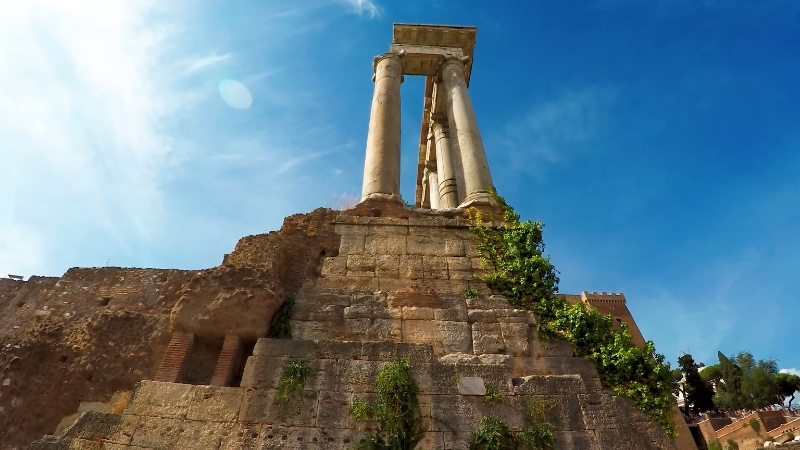
The Roman Forum functioned as the central civic space of ancient Rome.
Political authority, religious ceremonies, and commercial activity were concentrated within this area for many centuries.
Government buildings, temples, basilicas, and monuments surrounded the Forum. Political leaders delivered speeches there, and citizens gathered to participate in legal proceedings and public ceremonies.
The remaining ruins reveal foundations, columns, and fragments of monumental architecture.
Archaeological work continues to identify new details about administrative practices and religious traditions connected with Roman civic life.
Palatine Hill
View this post on Instagram
Palatine Hill holds strong connections with the earliest traditions associated with the founding of Rome.
Roman mythology associates the location with the story of Romulus and Remus, twin brothers raised by a she-wolf who later established the city.
Archaeological evidence suggests that early settlements existed on the hill during the earliest phases of Roman history.
Excavations have revealed remains of primitive huts that date to early urban development.
Imperial rulers later selected the hill as a residential district for elite members of society. Several imperial palace complexes occupied large sections of the hill during the height of the Roman Empire.
Elevated position allowed residents to observe major civic spaces while maintaining physical separation from the urban population.
Additional Archaeological Sites Showing Roman Society
Numerous additional archaeological locations reveal social life, public leisure, and infrastructure that supported the population of ancient Rome.
Circus Maximus
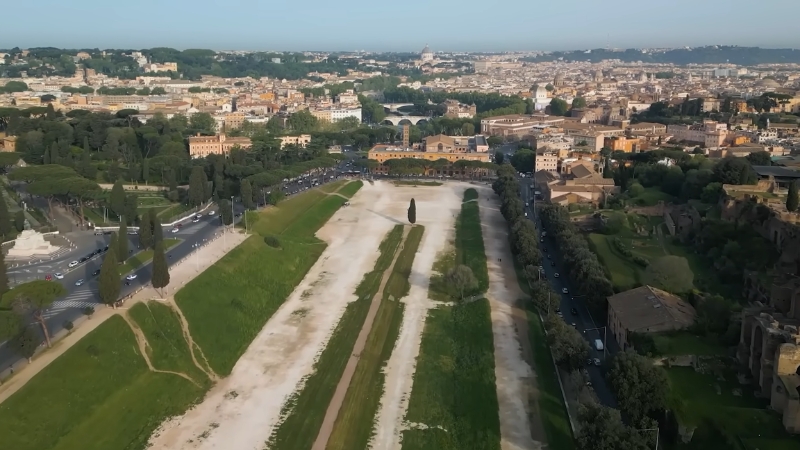
Circus Maximus operated as the largest stadium in ancient Rome and one of the largest sporting venues in the ancient world.
A long oval track stretched across a large valley between the Palatine and Aventine hills.
Chariot racing formed the main attraction at the stadium. Professional teams competed for victory while large crowds gathered to watch the races.
Racing culture produced strong fan loyalty associated with different teams:
Large seating areas allowed enormous crowds to watch events that often lasted an entire day.
Baths of Caracalla
@hwb.vonrichter Baths of Caracalla 2# #rome #travel #romanbaths #Italy #romanempire ♬ original sound – hwb.vonrichter.official
Public bath complexes functioned as central social institutions within Roman cities.
Baths of Caracalla represented one of the largest and most elaborate bath facilities ever constructed in the empire.
Construction occurred during the reign of Emperor Caracalla in the early third century CE.
The complex included large halls, decorative marble surfaces, and extensive mosaic flooring.
Visitors participated in several activities while attending the bath complex:
Architectural scale and decorative programs demonstrate the importance of communal leisure within Roman urban culture.
Mausoleum of Augustus
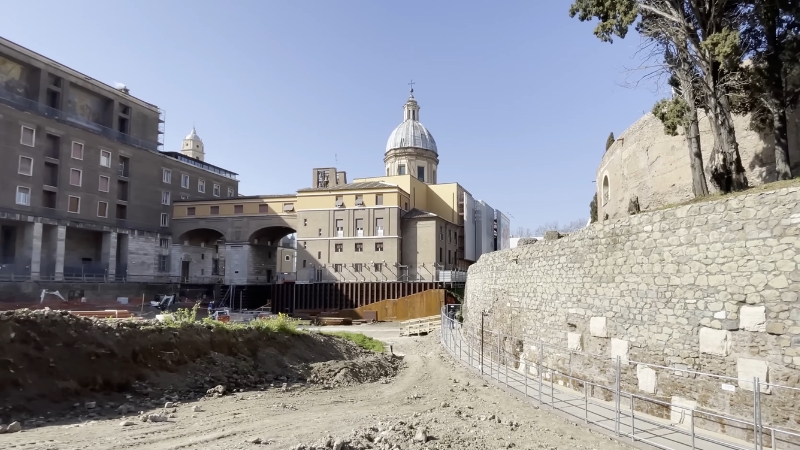
Construction of the Mausoleum of Augustus began in 27 BC after Augustus secured authority as the first Roman emperor.
Circular monument functioned as the burial place for members of the Julio-Claudian imperial dynasty.
The large mound structure originally featured trees planted along its terraces and a statue of Augustus placed at the summit. Design symbolized imperial power and the permanence of dynastic rule.
Burials conducted at the mausoleum included several important members of the imperial family. Monument remained a powerful symbol of political authority during the early years of the empire.
Ancient Aqueducts such as Aqua Virgo
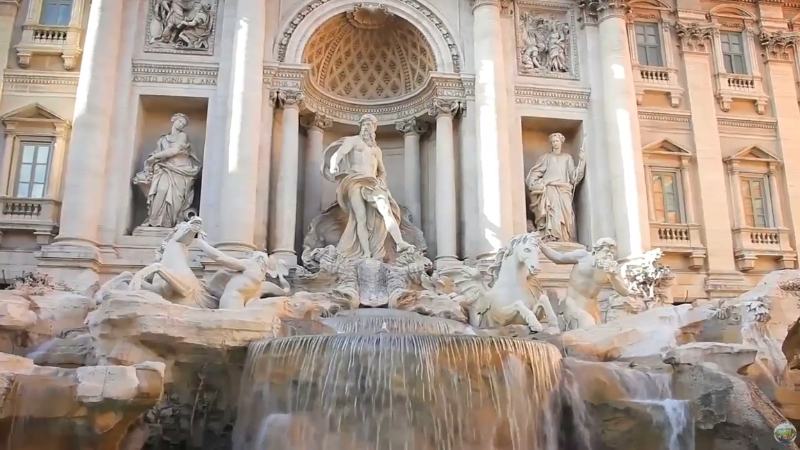
Roman engineers constructed extensive aqueduct systems to supply fresh water to the growing population of the capital.
Aqua Virgo represented one of the aqueducts that transported water into the city through carefully designed channels.
Aqueduct construction required precise engineering knowledge and long-distance surveying. Water traveled through stone channels supported by arches when crossing valleys or uneven terrain.
Roman aqueduct technology later influenced water management systems in many later societies.
Renaissance Transformation and Artistic Flourishing
A major cultural transformation occurred in Rome during the fifteenth and sixteenth centuries.
Renewed interest in classical antiquity encouraged scholars and artists to study ancient Greek and Roman traditions.
Intellectual activity expanded across Italy and contributed to a major artistic revival.
Humanist philosophy encouraged admiration for classical literature, sculpture, and architecture.
Artists studied ancient ruins and classical texts while developing new artistic techniques. Creative production reshaped visual culture across the city.
Role of the Papacy and Religious Institutions
Christian authority placed Rome at the center of religious power in Western Europe. Popes directed major construction projects and funded artistic commissions that reshaped the city.
Religious institutions played an important role in supporting painters, sculptors, and architects. Large commissions connected with churches, chapels, and Vatican buildings allowed artists to produce monumental works.
View this post on Instagram
The construction of St. Peter’s Basilica became one of the most significant projects supported by papal patronage.
Architectural planning involved several leading Renaissance architects who designed an enormous church intended to symbolize Christian authority.
Religious patronage allowed artists to work on large projects that transformed the artistic character of the city.
Renaissance Masters and Artistic Contributions
Several renowned artists played central roles in shaping artistic production in Rome during the Renaissance. Their work introduced innovative approaches to painting, sculpture, and architecture.
Michelangelo created monumental sculptures and frescoes known for dramatic human forms and emotional intensity. Work displayed detailed knowledge of anatomy and classical sculpture.
Raphael produced paintings admired for balanced composition and clarity. Frescoes created for Vatican rooms displayed themes connected with philosophy, theology, and classical learning.
Architect Bramante introduced architectural designs inspired by classical Roman principles. Architectural planning emphasized harmony, proportion, and geometric order.
Artistic production during the Renaissance transformed Rome into one of the most important cultural centers in Europe.
Closing Thoughts
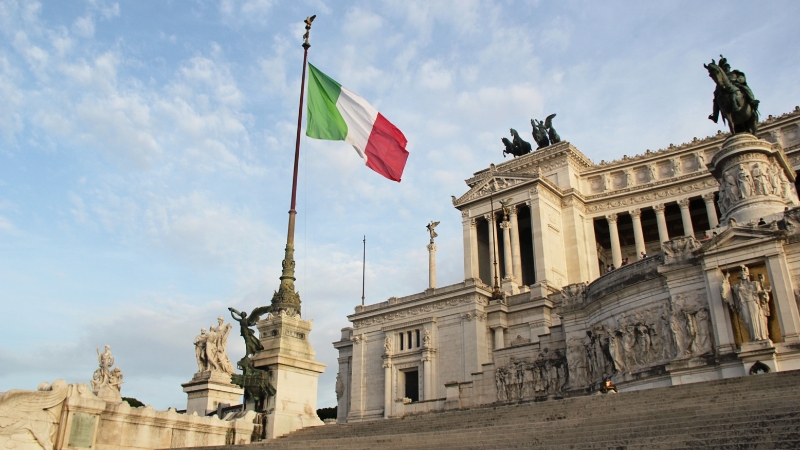
Rome presents a long historical narrative that connects antiquity with the Renaissance cultural revival.
Ancient ruins including the Colosseum, Roman Forum, and Palatine Hill demonstrate the power and sophistication of imperial society.
For many travelers continuing their South of France road trip, Rome often becomes a natural final destination where Mediterranean culture and European history converge.
Renaissance artistic achievements reveal renewed interest in classical traditions supported by papal patronage.
Combined historical elements confirm the enduring importance of Rome as one of the most influential cultural and historical cities in the world.