


Used phone sales continue to climb at a faster pace than brand-new models, as prices for new flagship devices climb as high as 29% above previous years.
Buyers turn to pre-owned and refurbished phones because they often cost 15-50% less while still offering warranty coverage through certified sellers.
Extending a phone’s lifespan also cuts electronic waste, which creates additional motivation for cost-conscious and environmentally aware shoppers.
Let’s discuss it.
Why the Used Phone Market is Booming in 2025
Growing upgrade cycles create a consistent stream of lightly used devices that enter the second-hand market.
Many consumers replace phones every one to three years, not because their devices fail, but because new models showcase incremental improvements that spark early upgrades.
That pattern leaves behind a large inventory of phones still in strong working condition.
Digital marketplaces increase accessibility. A wide mix of peer-to-peer platforms and certified refurbishers widens the selection for buyers seeking value without sacrificing performance.
Platforms compete on testing standards, seller transparency, and buyer protections, which increases confidence among cautious shoppers.
Major manufacturers reinforce buyer trust by offering certified refurbishment programs.
Apple and Samsung refresh eligible devices with new batteries, clean outer shells, diagnostic screening, and one-year warranties.
Those programs reduce concerns about hidden defects and create higher standards for used devices across the entire market.
Growing interest arises due to expanding buyer groups.
Eco-focused consumers want to reduce waste, parents want affordable phones for kids, and tech followers want high-end performance without paying top-tier prices.
Rising demand pairs well with a steady supply, creating a strong resale ecosystem.

Key Risks and How To Avoid Them
A short overview helps set expectations before exploring each category.
Used devices offer strong value but come with risks involving battery life, update support, cosmetic wear, and internal integrity.
Careful checks reduce nearly all concerns.
Stolen or Blacklisted Devices

IMEI checks remain a critical step. Dialing *#06# reveals the IMEI, which can then be verified through online checkers.
Buyers dealing with activation lock issues on pre-owned iPhones often turn to iPhone Unlocker solutions to confirm lock status or address forgotten credentials before completing setup.
Devices linked to unpaid balances or theft reports cannot be activated with most carriers.
Peer-to-peer platforms without verification systems create more risk, so independent checks protect buyers.
Battery Health

Many pre-owned phones arrive with batteries reduced to as low as 60-85% of their original capacity. That drop impacts daily performance and long-term usability.
Factory-refurbished Apple and Samsung devices often include new batteries, reshaping value dramatically.
Diagnostic apps or in-store testing provide quick insight before purchase.
Software and Security Support

Older models frequently lose update eligibility once they fall behind by three generations.
Apple generally provides support for around five years, while Samsung offers about four years for many newer lines.
Losing updates carries serious consequences because unsupported devices face higher security risks. Update the status should always be checked before committing to a buy.
Cosmetic and Functional Condition
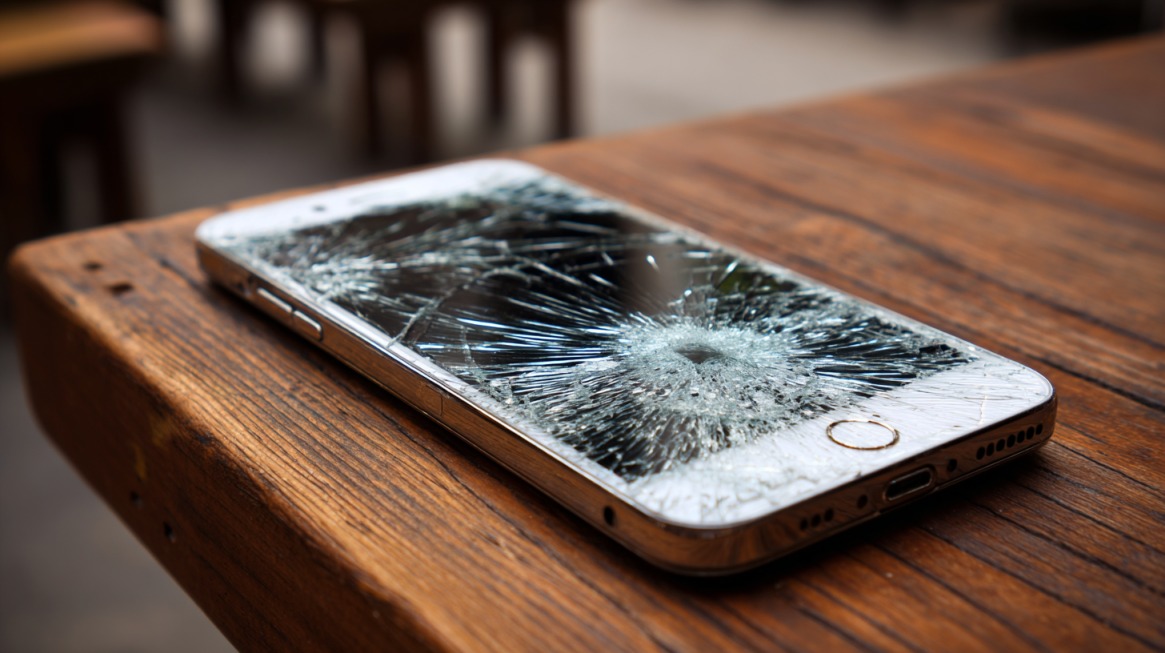
Descriptions posted by sellers can vary widely. Grades help, but still require careful review. Pre-purchase questions help reduce confusion.
- Display scratches or cracks
- Frame dents
- Back panel wear
- Camera lens marks
- Speaker or microphone clarity
Cosmetic wear matters less than functionality but still affects resale value.
Charging Ports, Buttons, and Repairs
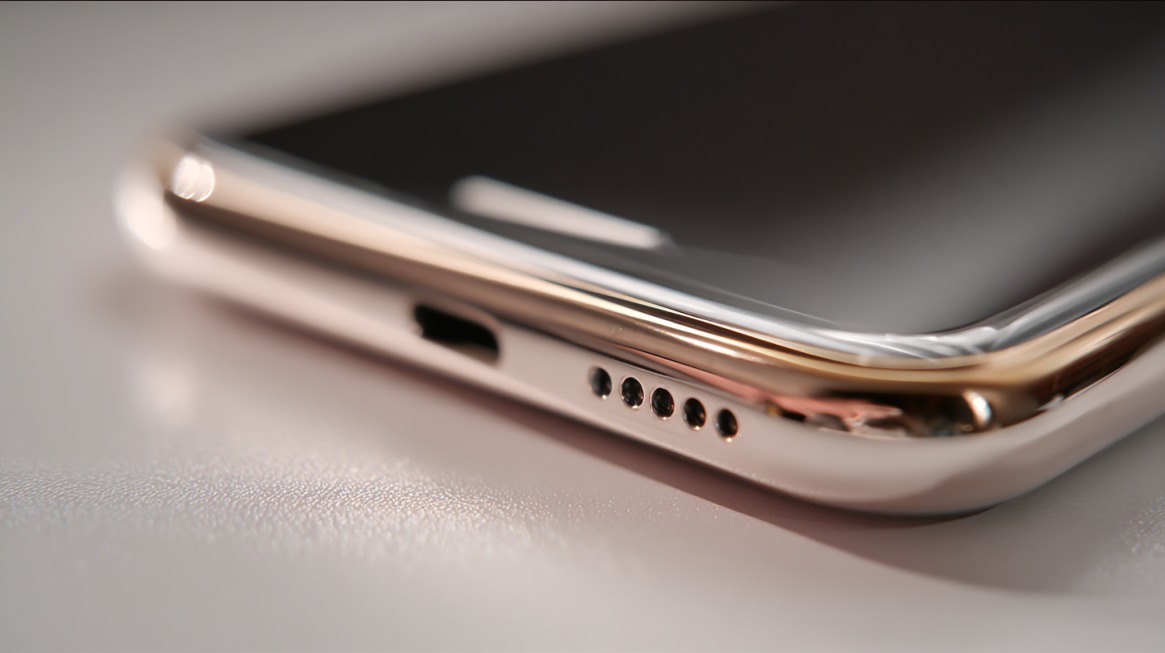
Charging ports experience heavy wear due to constant cable use.
Buttons, especially power and volume keys, become unresponsive on older devices.
Internal liquid indicators in Apple and Samsung models show moisture exposure, which reveals hidden damage.
Some sellers may rely on low-cost third-party parts during repairs, which lowers durability and performance over time. Transparency about prior repairs is essential.
Used vs. Refurbished vs. New Budget Phones
A clear explanation helps shoppers pick what fits their needs, so a short overview comes first.
Used phones, refurbished models, and new budget options differ in price, risk, and long-term reliability. Shoppers often compare all three before buying.
Used / Pre-Owned
Private individuals and basic resellers offer devices in varying conditions.
Some units arrive in excellent shape, while others show heavy wear. Warranty coverage is rare in this category, and risk increases when sellers provide limited information.
Prices sit lowest here, which attracts buyers willing to accept more uncertainty.
Retailer Refurbished
Third-party refurbishers take in devices, inspect them, repair defects, and grade cosmetic condition.
Grades usually fall into A, B, or C. Grade A shows minimal wear, Grade B includes light surface marks, and Grade C shows more visible flaws.
- Battery performance
- Display issues
- Button responsiveness
- Camera function
- Connectivity and port usability
After testing, devices are cleaned and packaged for sale.
Manufacturer Refurbished
Factory-refreshed models offer the strongest reliability. Internal components receive replacements when needed, casings are renewed, and batteries are fresh.
Buyers usually receive a 12-month warranty.
Performance and appearance often mirror a new product, which makes this category popular among shoppers wanting value without taking risks associated with private sellers.
New Budget Phones
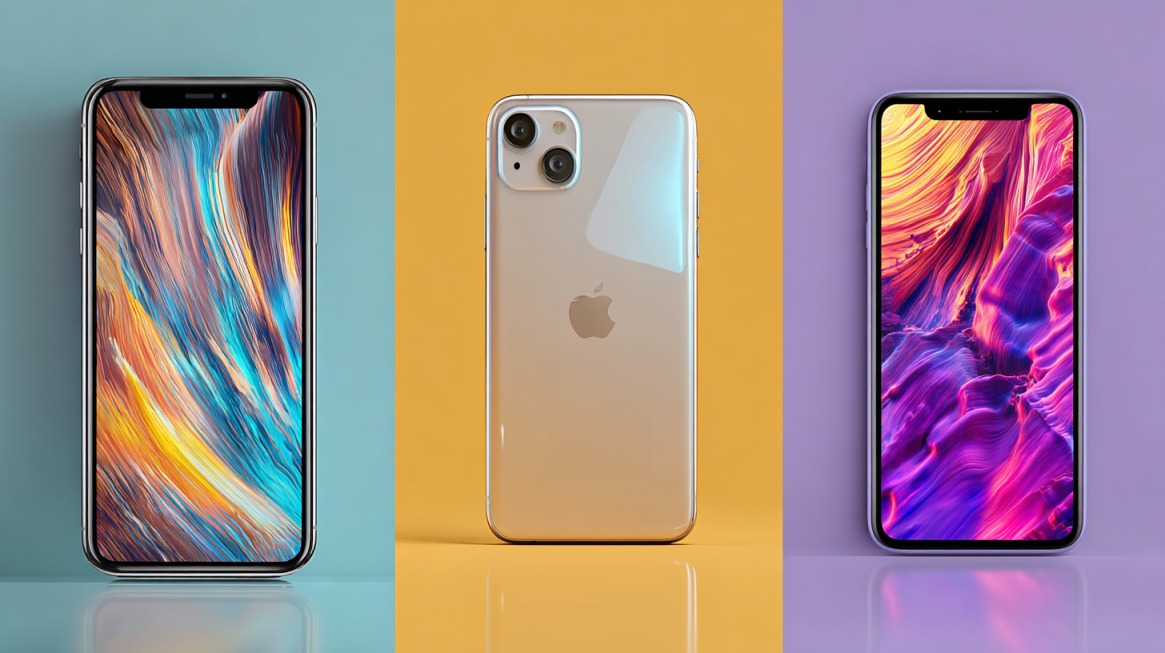
Low-cost 2025 models provide brand-new hardware at extremely accessible prices.
Specs sit lower than premium flagships, but no hidden wear, old batteries, or unknown repair histories exist.
That simplicity appeals to buyers who prioritize predictable performance over top-tier features.
Repairability Factor
Repair potential plays a major role for buyers who want long-term value out of a used phone. Many older models were built before sealed designs became standard, so components can often be opened, replaced, or upgraded without specialized tools.
That flexibility attracts buyers who want to keep a device running for several more years without paying for premium repair services.
Older phones often benefit from widely available replacement parts. Batteries, charging ports, and screens remain common in repair shops and online marketplaces.
Users who enjoy hands-on maintenance frequently perform DIY battery swaps in roughly 25 minutes using basic tools and step-by-step online guides.
Those guides reduce repair anxiety and help buyers feel more confident about choosing a used device.
Some manufacturers have supported modular construction that encourages user repairs.
Fairphone-style models, for example, prioritize accessible internal layouts and long-term parts availability.
Modular components reduce both cost and repair complexity, which gives buyers more control over maintenance decisions.
@imparkerburton Is user repairability important to you in a smartphone? #techtok #tech #fairphone #fairphone5 #imparkerburton #androidguy #techguy ♬ original sound – Parker Burton
- Older devices often rely on screw-based assemblies rather than adhesives.
- Mid-range models released several years ago usually have strong parts availability.
- Modern waterproof designs may include sealed elements that complicate repairs.
Ultra-budget new phones can be tempting due to price, yet they often come with limited parts support.
Some manufacturers do not publish repair documentation, replacement modules, or official service resources.
Repair shops may decline those models due to a lack of compatible components, which leaves buyers with fewer options once the warranty expires.
When parts cannot be sourced easily, ownership costs rise over time despite a low upfront price.
Final Verdict: Is Buying a Used Phone Safe in 2025?
Buying a used phone in 2025 can be highly safe under the right conditions.
Strong results come when buyers choose reputable platforms, check IMEI status, verify battery condition, and confirm software support.
Factory-refurbished models deliver the highest value for those who want solid performance with low risk.
Problems arise only when shoppers expect flawless performance from heavily used units or purchase privately without protections.
Read more: What are AI scams and how to keep yourself safe from them?