

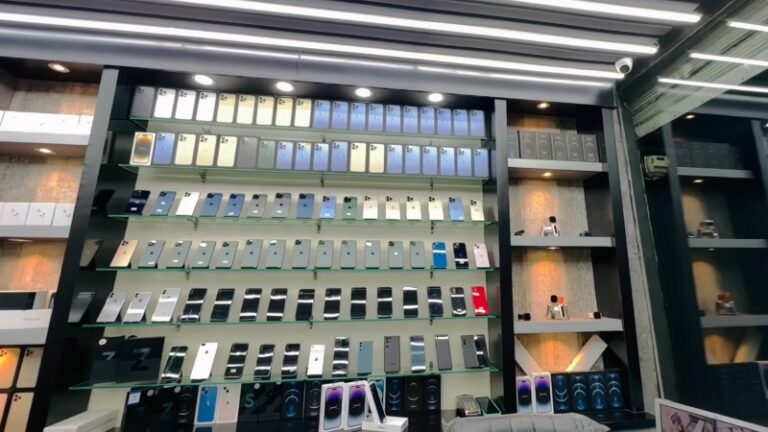
Launching a small mobile shop in the US is absolutely doable as a solo or small-team project if you treat it like a real business from day one: pick a clear niche (phones, accessories, repair), choose a legal structure, get your sales tax permits in order, secure a small location (kiosk, mall unit, or tiny storefront), sign wholesale accounts with distributors, then build a simple but reliable system for inventory, pricing, and marketing.
Most of the failure stories come from people who skip permits, buy stock randomly, and never calculate their real margins. If you build it step by step, you can open a functional, compliant mobile shop in a few months instead of burning cash for a year.
Define Your Mobile Shop Concept
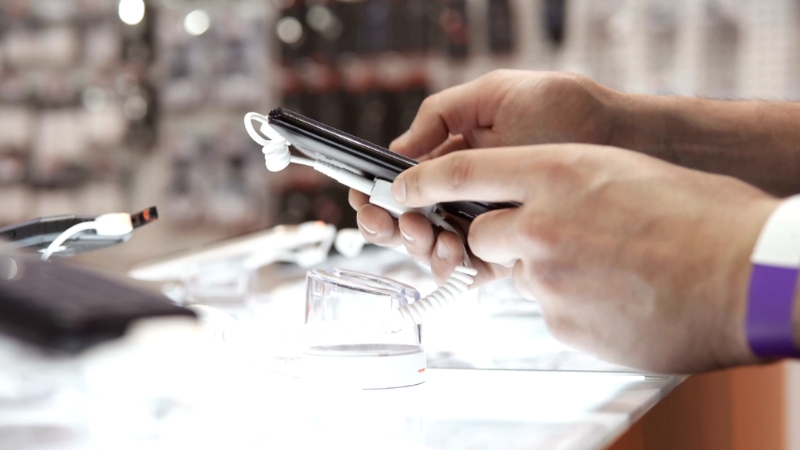
Before you register anything or buy inventory, decide which version of a “mobile shop” you want to run. The US market supports several formats, and each format leads to different startup costs, customer types, and daily operations.
When you do not define this clearly, you end up buying random stock and offering services without structure.
Some shops focus strictly on accessories, selling phone cases, screen protectors, chargers, and headphones. Others prioritize repairs and use accessories as add-ons. A growing category involves refurbished phone sales, buybacks, and trade-ins.
There are also hybrid models: a kiosk that sells accessories but offers quick screen repairs, or a small storefront that mixes repairs with certified refurbished phones. Take the time to understand your strengths.
If you are technical, repair-first makes sense. If you are location-dependent, a kiosk in a mall may outperform a full shop.
Typical Mobile Shop Models
Model Type
Income Sources
Startup Cost Range
Strengths
Challenges
Accessories-only kiosk
Cases, cables, chargers
10k–40k USD
Low complexity, low staff training
Lower margins, foot-traffic heavy
Repair + accessories
Repairs + high-margin accessories
20k–80k USD
Best margins, repeat customers
Requires skill + tools
Refurbished phone shop
Used phones, trade-ins, accessories
50k–150k+ USD
High ticket price per customer
Complex inventory, fraud risk
Shared corner in the store
Accessories + light repairs
5k–30k USD
Simple, inexpensive, uses someone else’s traffic
Limited branding control
Pick one primary model and one secondary revenue stream so your shop feels intentional. This also shapes your supplier choices and inventory planning.
Choose a Legal Structure and Register Properly
Once you commit to the model, you need to establish a legal foundation. Even one-person mobile shops must form a legal entity or operate under a recognized structure. Most owners choose between a sole proprietorship, an LLC, or an S-Corp election once they grow.
The simplest is a sole proprietorship, but it offers no liability protection. If a customer sues you or accuses you of damaging a device, your personal assets are exposed. This is why most successful mobile shops choose an LLC.
It creates a legal separation between you and the business and is relatively easy and cheap to maintain. You apply through the Secretary of State in your state, pay the filing fee, and create a basic operating agreement.
After that, you get an EIN from the IRS, free and instant, and set up a business bank account. Keeping finances separate is one of the most important habits new owners must establish.
Common Business Structures
Structure
Best For
Protection
Tax Treatment
Difficulty
Sole proprietorship
Small side gig or kiosk tester
None
Personal return (Schedule C)
Easy
LLC
Most small shops, beginners or intermediate owners
Yes
Pass-through taxes
Moderate
S-Corp (LLC electing)
Shops with consistent profit above salary
Yes
Salary + distribution split
Higher
Whatever you choose, get the registration done before signing leases or ordering inventory.
Handle Licensing, Sales Tax, and Basic Compliance
This is the part many owners skip, and it’s why they get hit with penalties later. A mobile shop, no matter how small, needs several permits.
The most important is the sales tax permit, because you must collect, track, and remit sales tax on accessories, repairs, and used phone sales in most states.
Repairs are taxable in most states. Accessories are always taxable. Used phones depend on the state; these are usually also taxable.
You need:
Sales tax is not optional. You cannot pocket it. You collect it for the state and remit it monthly or quarterly. This becomes much easier when your POS system tracks everything automatically.
Pick the Right Location Type
Your location is not just an address; it is the foundation of your daily revenue potential. Good foot traffic can double your income; high rent can destroy a promising business.
Location affects marketing cost, impulse purchases, and service volume. Mall kiosks work well for accessories and fast repairs because customers walk by constantly.
Small strip-mall stores often rely on local repeat customers but offer more space for repairs and refurbished phone sales.
Shared spaces inside other businesses, the corner of a convenience store, or a tech accessories shop offer extremely low risk for first-time owners.
Location Comparison Table
Location Type
Monthly Rent Range
Traffic
Best For
Mall kiosk
1k–8k USD
Very high
Accessories, fast repairs, impulse sales
Strip-mall storefront
1.5k–5k USD
Medium
Repairs, used phones, and local customers
Downtown street shop
2k–10k+ USD
High but expensive
Premium services, tourists
Shared corner in a store
% or small flat fee
Depends on the host store
Low-risk entry, testing market
Walk the area at the hours you plan to operate. Count how many people pass, check competing shops, and evaluate parking or bus access.
Many profitable mobile shops survive not by being flashy but by being located in the right small pocket of the neighborhood.
Build a Thoughtful Product and Service Mix
@julius_c.e.o LISTEN CAREFULLY THOSE WHO WANT TO START PHONE ACCESSORIES BUSINESS #foryou #fyp #uae #dubai #knowledge #tiktokkampala #ugandatiktok #ugandansindubai #tiktokkampalauganda #foryoupage #foryourpage #industrializeuganda #investment #juliusceo #youthempowerment #businessideas #businesstips #juliussserunkuma #tiktok #ideas #saudiarabia ♬ original sound – JULIUS C.E.O🇺🇬 🇦🇪 🇻🇳🇨🇳
A strong mobile shop is not about offering everything; it’s about offering the right things. Accessories should be curated, repairs should be reliable, and used phones should be sourced carefully. Random stock leads to wasted money and slow inventory turnover.
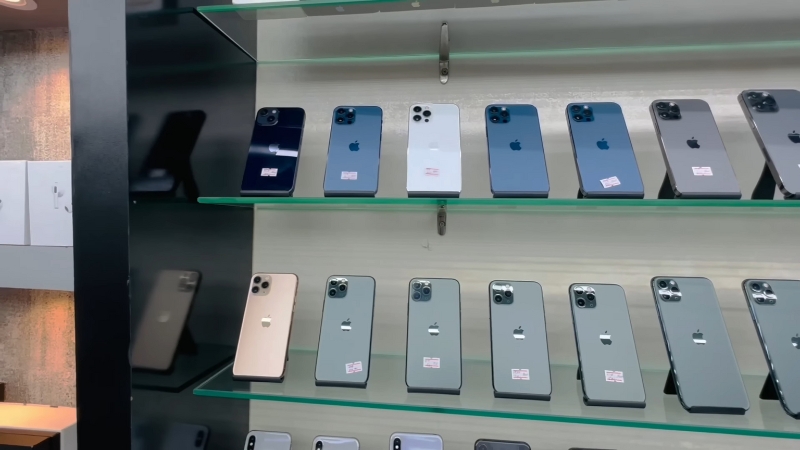
Focus on the phones customers actually carry: recent iPhone models, recent Samsung models, and the most common budget phones in your area. Stock multiple case options but avoid deep inventory on outdated models.
For chargers, focus on high-quality fast-charging products, because cheap cables cause returns, complaints, and device damage.
When you choose which accessories to stock, think beyond phone cases and chargers. Customers increasingly ask for reliable power solutions, especially if you also sell refurbished phones or offer repair services.
Adding high-quality power banks or individual cells, such as the 18650 battery, can boost your average order value and position your shop as a place that understands real-world reliability, not just quick sales.
These batteries are widely used in flashlights, vape devices, handheld gadgets, and even some repair bench tools, so offering them gives your shop a professional edge.
Your margins will vary widely. Accessories have the highest markup. Repairs provide consistent revenue but require skill. Used phones can be profitable but come with fraud and return risks if you are not experienced.
Margin Overview
Category
Example Products
Typical Margin
Accessories
Cases, tempered glass, chargers, cables
40–200% markup
Repairs
Screen replacement, battery swap
30–70% after cost of parts + labor
Refurbished devices
Graded used phones, trade-ins
10–30% profit per device
Add-on items
Earbuds, car chargers, power banks
30–100% markup
Create a small, focused inventory instead of a cluttered wall. Customers trust organized shops far more than chaotic ones.
Set Up Suppliers and Wholesale Accounts

Your shop cannot survive if you buy accessories from retail websites. You need wholesale distributors for accessories and reliable repair part suppliers for screens, batteries, and internal components. This step determines your margins and your repeat customers.
Talk to multiple distributors and compare minimum order quantities, shipping times, defect return policies, and authenticity guarantees. Always verify whether repair parts are OEM, aftermarket, or refurbished. Cheap screens may kill your reputation fast.
Used phones require strong relationships too, either local refurbishers, certified wholesale platforms, or businesses that sell graded devices in bulk. Always test every device thoroughly before putting it on display.
Create a Smart and Realistic Startup Budget
A mobile shop fails when money runs out, not when ideas run out. A strong budget must include not only the cost to open but the cost to survive three to six slow months.
Sample Startup Budget
Cost Category
Estimated Cost Range (USD)
Business registration
500–1,500
Rent + deposit
3,000–12,000
Basic renovation + signage
2,000–10,000
Initial inventory
5,000–30,000
Tools + equipment
2,000–8,000
Insurance
500–2,000
Marketing (initial launch)
500–3,000
Working capital reserve
5,000–30,000
Working capital is the silent killer. If you have rent of 3,500 USD per month and only 4,000 USD in reserve, you are already one slow month away from closing. Treat reserve cash as part of the startup cost, not an optional extra.
Build Your Systems: POS, Inventory, and Accounting
View this post on Instagram
Once you have the legal structure, permits, and budget, you need functioning systems that run the business daily. A modern POS system with inventory tracking is essential even for a one-person shop.
It manages sales tax, tracks which items sell fastest, logs IMEI numbers for devices, and provides daily and weekly reports.
Inventory must be updated consistently. Even a small shop can lose hundreds of dollars per month to disorganization. Track stock levels, expected margins, and reorder points. Strong inventory habits separate profitable shops from those that constantly overspend.
Accounting software such as QuickBooks, Xero, or Wave keeps your income and expenses clean. Whether you hire a bookkeeper or not, the system should be in place from day one, not after tax season.
Build a Clean, Professional Brand and Customer Experience
Mobile shops are small spaces, and the impression they create matters. Customers bring in expensive personal devices and need to trust you immediately. That means clean counters, organized walls, simple signage, and friendly but professional communication.
Avoid clutter. A small shop with 30 good products looks more trustworthy than a shop with 300 mismatched items.
Offer repair explanations in simple language and give realistic time estimates. Never promise a 20-minute repair if you know it takes 45 minutes; customers remember honesty.
Your brand does not need to be complex. Choose a clean name, a simple logo, and 2–3 brand colors. Use them consistently on receipts, signage, and your Google Business Profile.
Marketing That Actually Brings Customers

You do not need influencer marketing or expensive ads to get your first 100 customers. You need consistency and a simple presence in places where people already look for phone services.
Google Business Profile is your number one tool. A mobile shop with 50 good reviews will outperform a shop with zero reviews, even if the second shop is cheaper.
Upload photos, respond to reviews, and keep your hours updated. This alone drives daily traffic.
Local visibility is equally powerful. Clean window signs, small partnerships with neighbouring businesses, and simple social media posts showing repairs, accessories, and new arrivals create awareness without aggressive advertising.
You can also run short-term promotions, 20 per cent off accessories with a repair, or a free tempered glass protector with screen replacement, to build early traction.
Protect Yourself With Insurance and Written Policies
Insurance is not optional. Someone could slip into your shop, accuse you of damaging their phone, or return a defective accessory.
You need liability insurance and property insurance to protect your stock and equipment.
Just as important are clear written policies. Always display repair warranty rules, return policies, and disclaimers for devices with existing water damage or third-party repairs.
Customers appreciate clarity, and it protects you legally.
Conclusion
Do not rush to open a second shop or offer advanced repairs before your first location is stable. Growth is best when you have consistent profit, strong operational processes, and a predictable customer base.
You can expand by adding advanced repair services, increasing used phone inventory, partnering with local businesses, or opening a second kiosk. Do this only when your systems are strong enough to handle more volume.