

Acadia National Park sits along the coast of Maine and features a rugged Atlantic shoreline, granite peaks, forests, and sweeping ocean views.
Camping allows visitors to experience some of Acadia’s most memorable moments.
Sunrise at Cadillac Mountain draws visitors early in the morning, while clear coastal skies create excellent stargazing conditions after sunset. Campgrounds place visitors close to trails, shoreline viewpoints, and scenic drives.
Varied scenery, outdoor activities, and convenient campground locations explain why camping remains one of the most popular ways to experience Acadia National Park.
Best Campgrounds in Acadia National Park
Acadia National Park contains four official campgrounds managed by the National Park Service:
1. Blackwoods Campground
Blackwoods Campground sits on Mount Desert Island, approximately 5 miles south of Bar Harbor.
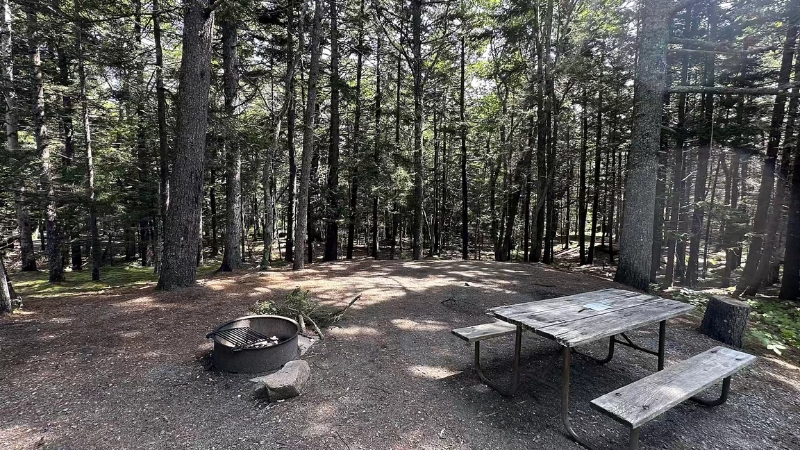
Dense spruce and fir forest surrounds most campsites, creating shade and natural wind protection near the Atlantic coast.
Proximity to several popular park areas makes this campground one of the most requested camping locations in Acadia National Park.
Blackwoods ranks as the largest campground in the park with 306 campsites. Campsites accommodate both tents and recreational vehicles, though utility hookups are not available.
Site design focuses on simple camping facilities that allow visitors to stay close to hiking trails and coastal viewpoints.
Several campsite features help visitors prepare for a stay at this campground.
Location provides quick access to major attractions across Mount Desert Island. Cadillac Mountain sits a short drive away and offers sunrise viewing opportunities.
2. Duck Harbor Campground
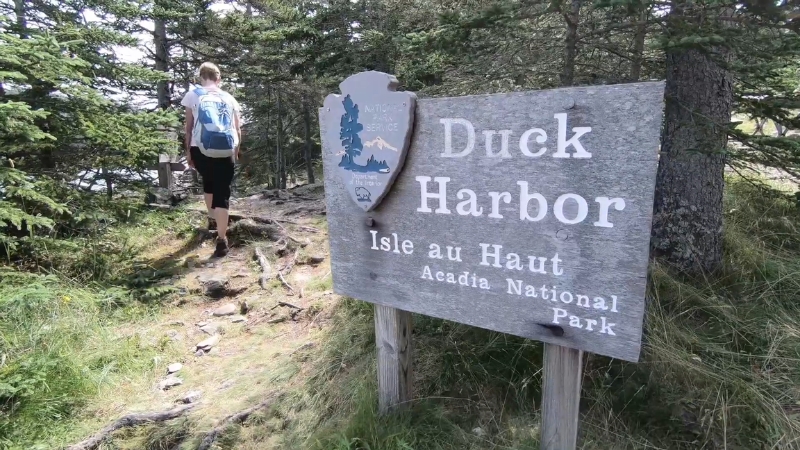
Duck Harbor Campground sits on Isle au Haut, a remote island section of Acadia National Park.
Access requires travel by ferry or private boat, which limits the number of visitors reaching this campground. Remote island conditions create a quiet and rustic camping experience.
The campground contains five lean-to shelters instead of traditional campsites. Wooden shelters provide basic protection while maintaining a primitive backcountry atmosphere.
Facilities remain minimal due to the remote island setting. Visitors preparing for a stay at Duck Harbor must plan carefully and bring necessary supplies.
Flashlights or headlamps become important after sunset due to the absence of lighting across the campground and surrounding trails.
Visitors preparing for a stay at Duck Harbor must plan carefully and bring necessary supplies.
Important limitations include:
Hiking trails extend across Isle au Haut and connect forest areas with coastal cliffs and quiet shoreline viewpoints. Limited visitor numbers allow campers to experience a peaceful environment rarely found in more accessible sections of the park.
Operating season typically runs mid-June through mid-October.
3. Seawall Campground
View this post on Instagram
Seawall Campground sits on the quieter western side of Mount Desert Island near Southwest Harbor.
Pine and birch trees surround the campground, creating shaded areas and greater spacing between campsites.
Reduced traffic and distance from busier attractions contribute to a calm camping atmosphere.
Approximately 214 campsites sit throughout the wooded campground. Natural vegetation between sites helps maintain privacy for campers while preserving the forest setting.
Amenities provided throughout the campground include several standard facilities.
Rocky shoreline areas sit within walking distance of the campground. Ocean waves crash against granite formations along the coast, creating scenic views and sunset viewing opportunities.
Tide pools also attract visitors interested in observing marine life along the shore.
Campers staying at Seawall often enjoy access to quieter hiking trails and scenic drives located on the western side of Mount Desert Island.
Southwest Harbor, a nearby coastal town, provides access to small restaurants, grocery stores, and marina services.
Operating season generally runs late May through early October.
4. Schoodic Woods Campground
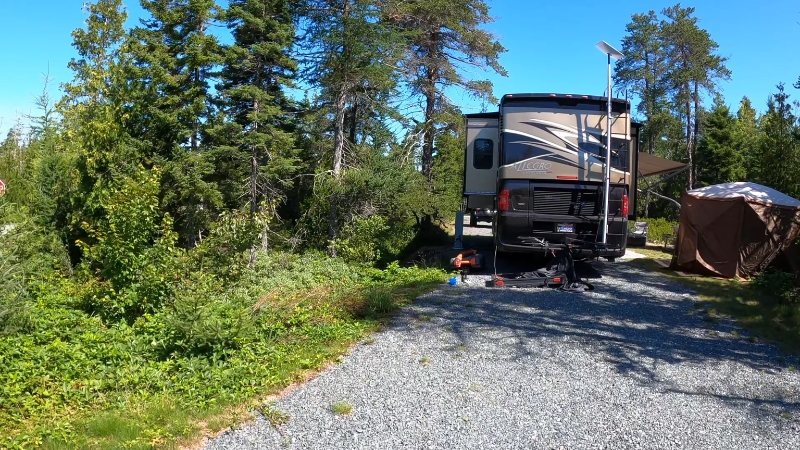
Schoodic Woods Campground sits on Schoodic Peninsula, which represents the only mainland section of Acadia National Park.
Location places visitors about 3 miles south of Winter Harbor and approximately 45 miles east of Bar Harbor.
Fewer visitors travel to this section of the park, which creates a quieter camping experience compared to Mount Desert Island.
Campground contains approximately 89 campsites surrounded by coastal forest. Larger campsite spacing allows campers to enjoy more privacy and reduced noise levels.
Several campsite options exist for visitors bringing recreational vehicles. Schoodic Woods remains the only campground in Acadia that provides electrical hookups for RV users.
Electric service availability includes:
Coastal drives along Schoodic Peninsula provide dramatic ocean views and rocky shoreline scenery. Waves often crash against granite cliffs along this section of the coast, creating powerful ocean views during storms or windy conditions.
Cycling routes and hiking trails also extend across the peninsula. Quiet roads make the area popular with cyclists seeking scenic routes without heavy vehicle traffic.
The operating season typically runs late May through early October.
Best Seasons for Camping in Acadia
Seasonal weather conditions strongly influence camping experiences in Acadia National Park. Temperatures, crowd levels, and facility availability vary throughout the year.
Spring (April to May)
Spring temperatures usually range between 30°F and 70°F. Snow begins melting across higher elevations while many park roads and facilities gradually reopen.
Wildflowers begin blooming across forests and coastal areas. Wildlife activity increases as animals become more active after winter.
Visitor numbers remain lower compared to summer months, creating quieter conditions for camping and hiking.
Summer (June to August)
Summer marks the busiest camping season in Acadia National Park. Daytime temperatures typically range between 70°F and 80°F while nighttime temperatures drop near 60°F.
All campgrounds remain open and fully operational during summer months. Warm weather and school vacations attract large numbers of visitors.
High demand often causes campground reservations to fill quickly. Early booking remains essential for campers planning summer visits.
Fall (September to October)
Fall brings some of the most scenic conditions in Acadia. Deciduous trees turn vibrant shades of red, orange, and yellow during late September through mid-October.
Daytime temperatures typically reach around 60°F, creating comfortable hiking conditions. Nighttime temperatures become cooler and crisp.
Crowds begin decreasing after Labor Day, allowing campers to experience quieter conditions compared to summer months.
Winter (November to March)
Robert Trumble, of Orland, ME, shares a photo from Feb 27. ” Acadia National Park really is a whole new place when covered in snow.” (Used with permission.) https://t.co/xFY7KAvHs8 pic.twitter.com/73EBS9bKpk
— Acadia National Park (@AcadiaNPS) March 12, 2023
Winter weather brings cold temperatures, strong coastal winds, and occasional snowstorms. Temperatures frequently drop below freezing.
Most campgrounds close during the winter months. Camping inside Acadia National Park generally remains unavailable during this period.
Winter recreation continues across certain areas of the park, including cross-country skiing and snowshoeing when snow conditions allow.
Camping Reservations and Permits
Planning ahead remains essential for camping in Acadia National Park. Reservation systems help manage high visitation and protect park resources.
Campground Reservations
All campsites require reservations through Recreation.gov, the official reservation platform used by the National Park Service.
Walk-in camping and first-come sites do not exist at Acadia campgrounds. Reservations usually become available six months in advance on the first day of each month at 10 AM Eastern Time.
Blackwoods and Seawall often reach full capacity shortly after reservations open due to high demand.
Typical campsite costs include:
Timed Entry Reservations
Cadillac Summit Road requires vehicle reservations during peak season between May and October.
The reservation system helps reduce traffic congestion and protects natural areas near the summit.
Visitors planning sunrise visits or scenic drives to the summit must secure a reservation in advance.
The Bottom Line
@themainefoodies waking up in #maine at Acadia National Park ✨ . . . #themainefoodies #mainetok #newengland #eastcoastsummer #travel #camping ♬ Maine – Noah Kahan
Acadia National Park provides one of the most memorable coastal camping experiences in the United States.
Granite mountains, evergreen forests, and Atlantic shoreline create outstanding scenery across the park.
Four different campgrounds and more than 600 campsites provide options for many types of visitors.